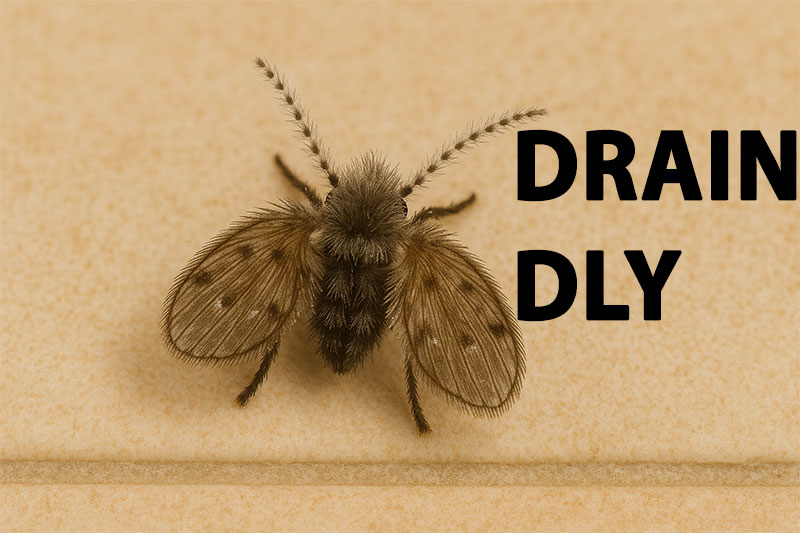
If you’ve noticed tiny, moth-like flies hovering around your sinks, showers, or bathroom drains, you may be asking yourself: “Why do I have drain flies?” These fuzzy insects, also known as moth flies, filter flies, or sewer gnats, thrive in damp, organic-rich environments.
The truth is, drain flies are more than just a nuisance—they’re a sign of underlying issues in your plumbing or sanitation. In this article, we’ll explain why you have drain flies, what attracts them, and how to fix the problem for good.
What Are Drain Flies?
Drain flies are small insects, usually 1/16 to 1/4 inch long, with fuzzy bodies and wings that resemble tiny moths. They’re weak fliers, often hovering near drains or crawling on bathroom walls.
They breed inside drains and other damp places, where they lay eggs in a slimy layer of organic material known as biofilm.
Why Do You Have Drain Flies?
There are several reasons why drain flies may have taken over your bathroom or kitchen:
1. Organic Buildup in Drains
The most common reason is the accumulation of slimy residue inside pipes. Soap scum, food scraps, hair, and grease provide a perfect breeding ground.
2. Standing Water
Leaky pipes, clogged drains, or areas with poor drainage can create stagnant water that attracts drain flies.
3. Rarely Used Drains
Unused guest bathrooms, basements, or laundry drains can trap standing water and biofilm, creating a hidden home for drain flies.
4. Sewer or Septic Problems
In some cases, drain flies come from broken pipes, septic tank issues, or cracked sewer lines, which allow them to breed underground and enter your home.
5. High Humidity
Bathrooms and basements with poor ventilation remain damp, making them ideal environments for drain flies to thrive.
How to Tell If Drain Flies Are in Your Home
Signs of a drain fly infestation include:
- Small fuzzy flies hovering around sinks, showers, or floor drains.
- Flies resting on walls, tiles, or mirrors.
- Activity increasing at night when lights are on.
- Worm-like larvae visible in drain slime.
A quick way to confirm is the tape test: place clear tape (sticky side down) over a suspect drain overnight. If flies stick to it, you’ve found the source.
Why It’s Important to Act Quickly
Drain flies aren’t dangerous, but they reproduce quickly. A single female can lay up to 100 eggs at a time, meaning infestations can grow fast.
Additionally, their presence often indicates a plumbing or sanitation issue that may worsen if ignored.
How to Get Rid of Drain Flies After Finding the Cause
Once you know why you have drain flies, you can eliminate them:
- Boiling water – Pour boiling water down drains once or twice daily.
- Baking soda and vinegar – Pour ½ cup of baking soda followed by 1 cup of vinegar, let it foam, then flush with hot water.
- Drain brush – Scrub pipes to remove biofilm.
- Enzymatic cleaners – Use eco-friendly cleaners that digest organic buildup.
- Fix leaks – Stop standing water under sinks or floors.
- Improve ventilation – Use fans or dehumidifiers to reduce humidity.
If the infestation persists, it may be due to broken pipes or septic issues—professional help may be necessary.
Frequently Asked Questions (FAQ)
Why do I suddenly have drain flies?
They appear when organic buildup and moisture create a breeding ground in drains.
Do drain flies mean my house is dirty?
Not necessarily. Even clean homes can get drain flies if drains or pipes develop biofilm or leaks.
Can drain flies come from the toilet?
Yes, if organic matter builds up in the tank, bowl, or nearby sewer lines.
How long do drain flies live?
Adult drain flies live for about 1–3 weeks, but they reproduce quickly, so infestations persist if untreated.
How do I stop drain flies permanently?
Clean drains thoroughly, fix leaks, use enzymatic cleaners, and maintain proper ventilation.
Conclusion
So, why do you have drain flies? The answer lies in moisture, organic buildup, and poor plumbing conditions. While they aren’t harmful, they are a sign of hidden issues in your drains or sewer system.
By cleaning drains, fixing leaks, and preventing moisture buildup, you can eliminate drain flies and stop them from returning.