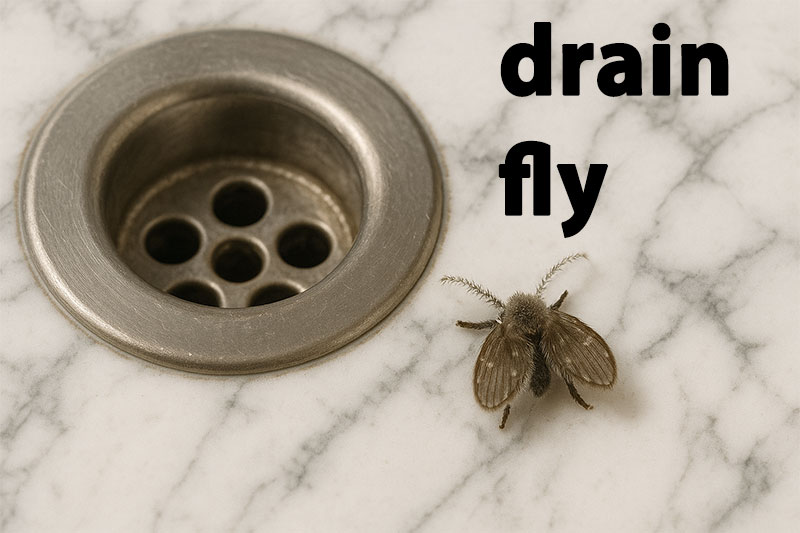
If you’ve ever noticed tiny, fuzzy flies hovering around your sink, shower, or basement drain, you may have encountered drain flies. Also known as moth flies, sewer gnats, or filter flies, these insects are common in homes and businesses with plumbing or moisture issues.
While they don’t bite or pose serious health risks, their sudden appearance can be unsettling. Understanding what drain flies are, what causes them, and how to manage them is the first step toward keeping your home pest-free.
What Are Drain Flies?
Drain flies are small insects that measure about 1/16 to 1/4 inch long. They have fuzzy, moth-like wings and a distinctive “hairy” appearance, which sets them apart from fruit flies or gnats.
Key Characteristics of Drain Flies:
- Size: Very small, usually less than 1/4 inch.
- Color: Gray, black, or tan, with a fuzzy body.
- Wings: Moth-like, often held roof-shaped when at rest.
- Behavior: Weak fliers, often seen hovering near drains or resting on walls.
Where Do Drain Flies Come From?
Drain flies thrive in damp, organic-rich environments. Their most common breeding site is inside drains, where organic matter builds up along the pipe walls. This sticky film, called biofilm, is both a food source and a breeding ground.
Common Sources of Drain Flies:
- Bathroom and kitchen sinks
- Shower and bathtub drains
- Floor drains in basements or laundry rooms
- Septic tanks and sewer lines
- Leaky pipes or areas with stagnant water
Life Cycle of Drain Flies
The drain fly’s life cycle is relatively short but highly productive:
- Eggs – A female can lay 30–100 eggs in moist organic matter.
- Larvae – Hatch within 48 hours and feed on biofilm inside drains.
- Pupae – Develop into adults in about 9–15 days.
- Adults – Live around 1–3 weeks, often seen resting near drains or walls.
Because they reproduce quickly, infestations can grow fast if left untreated.
Are Drain Flies Harmful?
The good news is that drain flies are not directly harmful. They don’t bite, sting, or spread serious diseases. However:
- They can carry bacteria from dirty drains onto kitchen surfaces.
- Large infestations may aggravate allergies or asthma.
- Their presence usually indicates a plumbing or sanitation issue that needs attention.
How to Identify a Drain Fly Infestation
Look for these telltale signs:
- Tiny flies hovering near sinks, showers, or drains.
- Flies resting on bathroom or kitchen walls, especially at night.
- Worm-like larvae visible in the slimy film inside drains.
A simple test is to place clear tape over a drain opening (sticky side down) overnight. If flies are stuck to the tape in the morning, you’ve found the source.
How to Get Rid of Drain Flies
Once you know what drain flies are and where they come from, the next step is removal.
Step 1: Clean the Drain
- Flush with boiling water once or twice daily.
- Scrub with a pipe brush to remove slime and biofilm.
- Use a baking soda and vinegar mix to kill larvae naturally.
Step 2: Use Enzymatic Cleaners
These eco-friendly cleaners digest organic matter inside drains, eliminating breeding grounds without damaging pipes.
Step 3: Kill Adult Flies
Set traps with apple cider vinegar and dish soap or use sticky traps near drains to reduce adult populations.
Step 4: Prevent Reinfestation
- Clean drains weekly.
- Repair leaks and eliminate standing water.
- Ventilate damp areas like bathrooms and basements.
Frequently Asked Questions (FAQ)
What do drain flies look like?
Drain flies are small, fuzzy insects with moth-like wings, typically gray or black, measuring less than 1/4 inch.
Where do drain flies come from?
They usually come from drains, sewers, or septic systems where organic buildup provides food and breeding grounds.
Are drain flies harmful?
No, they don’t bite or transmit serious diseases, but they can carry bacteria from dirty drains.
How long do drain flies live?
Adult drain flies live for about 1–3 weeks, but they reproduce quickly, making infestations persistent.
How do you get rid of drain flies?
Clean drains thoroughly, use enzymatic cleaners, flush with boiling water, and remove standing water to prevent their return.
Conclusion
So, what are drain flies? They are small, moth-like insects that thrive in the slimy buildup of drains and damp areas. While not dangerous, they are a nuisance and a clear sign of plumbing or moisture issues.
The good news is that with proper cleaning, preventive maintenance, and occasional drain treatments, you can eliminate drain flies and keep them from coming back.