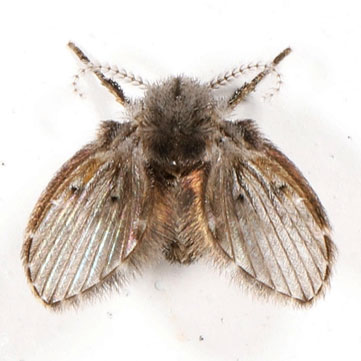
If you’ve noticed tiny, fuzzy flies hovering near sinks, showers, or drains, you’re probably dealing with drain flies. Also known as moth flies, filter flies, or sewer gnats, these pests breed in moist, organic-rich environments like bathroom and kitchen drains.
While drain flies don’t bite or spread serious diseases, they can multiply quickly and become a persistent household nuisance. The good news is you can get rid of drain flies in your house using simple and effective methods.
Why Do You Have Drain Flies in Your House?
Drain flies appear when there’s a combination of moisture and organic buildup. Common causes include:
- Clogged or dirty drains in kitchens and bathrooms
- Leaky pipes under sinks or behind walls
- Rarely used drains with stagnant water
- Septic tank or sewer line issues
- High humidity in bathrooms, basements, or laundry rooms
Identifying the source is the first step to eliminating them.
Step 1: Find the Source of Drain Flies
Before treatment, confirm where the flies are coming from.
- Check drains – Shine a flashlight inside. You may spot larvae in the slime.
- Tape test – Cover the drain with clear tape overnight. If flies stick to the underside, that’s your source.
- Inspect plumbing – Look for leaks, standing water, or damp spots.
Step 2: Clean and Treat the Drains
Since drains are the primary breeding grounds, cleaning them is the most effective solution.
Methods to Clean Drains:
- Boiling Water – Pour boiling water down the drain once or twice daily for a week.
- Baking Soda and Vinegar – Pour ½ cup of baking soda followed by 1 cup of vinegar. Let it foam for 15 minutes, then rinse with hot water.
- Drain Brush – Scrub pipe walls with a long brush to remove biofilm.
- Enzymatic Cleaners – Use eco-friendly cleaners with natural bacteria to digest organic matter safely.
Step 3: Eliminate Adult Drain Flies
While cleaning removes larvae, adult flies may still linger in your house.
- Apple cider vinegar trap – Mix vinegar with a drop of dish soap in a bowl.
- Sticky traps – Place near drains to catch hovering flies.
- UV light traps – Useful in dark, humid spaces like bathrooms or basements.
Step 4: Prevent Future Infestations
To ensure drain flies don’t come back, follow these preventive steps:
- Flush drains with hot water weekly.
- Use enzymatic cleaners monthly to prevent biofilm buildup.
- Fix leaky pipes and eliminate standing water.
- Clean sink stoppers and overflow holes regularly.
- Improve ventilation in damp areas of your house.
Step 5: When to Call a Professional
If drain flies keep returning despite your efforts, it may indicate a bigger issue such as:
- Cracked or broken sewer lines
- Septic tank problems
- Hidden plumbing leaks
A plumber or pest control professional can help diagnose and solve the problem.
Frequently Asked Questions (FAQ)
What kills drain flies in the house instantly?
Boiling water and chemical drain cleaners can kill larvae instantly, while sticky or vinegar traps work for adults.
Do drain flies go away on their own?
No, they won’t go away unless you remove the breeding source inside your drains or pipes.
Are drain flies harmful inside the house?
They don’t bite or spread major diseases, but they can carry bacteria from drains onto surfaces.
How long does it take to get rid of drain flies in a house?
Most infestations can be cleared within 1–2 weeks with consistent cleaning and prevention.
Can drain flies come back after treatment?
Yes, if drains aren’t maintained or leaks persist. Preventive cleaning is essential.
Conclusion
If you’re wondering how to get rid of drain flies in your house, the answer is clear: eliminate their breeding source. By thoroughly cleaning drains, using traps to kill adults, and practicing preventive maintenance, you can remove drain flies and keep your home pest-free.
If the problem continues despite cleaning, it could indicate plumbing issues that require professional attention.