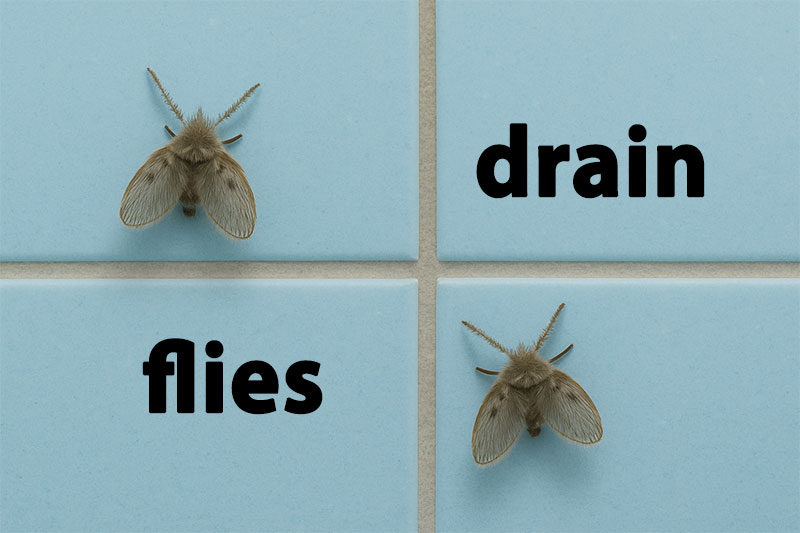
If you’ve ever spotted small, moth-like flies around your sink, shower, or floor drain, you’ve likely encountered drain flies (also known as moth flies, sewer gnats, or filter flies). While they aren’t dangerous, they multiply quickly and can become a persistent nuisance.
The real challenge isn’t just killing drain flies—it’s eliminating them permanently. In this article, we’ll explore the steps you need to take to get rid of drain flies for good, from identifying the source to long-term prevention.
Why Drain Flies Appear
Drain flies breed in stagnant water and organic buildup (biofilm) inside drains, sewers, or septic systems. This slimy film provides food and shelter for larvae, while moisture supports breeding.
Typical causes include:
- Clogged or slow drains
- Leaky pipes under sinks or floors
- Rarely used bathrooms or basement drains
- Septic tank or sewer line issues
Step 1: Identify the Breeding Source
To permanently remove drain flies, you must find and treat their breeding ground.
- Visual check: Look for flies hovering near sinks, showers, or damp areas.
- Tape test: Cover a suspected drain with clear tape overnight. If flies are stuck to the underside in the morning, you’ve found the source.
- Larvae inspection: Shine a flashlight into drains to look for worm-like larvae feeding on biofilm.
Step 2: Eliminate the Breeding Ground
Clean the Drain Thoroughly
- Boiling water: Pour down the drain 1–2 times per day for a week.
- Baking soda + vinegar: Pour ½ cup of baking soda followed by 1 cup of vinegar. Let it foam for 15 minutes, then flush with hot water.
- Drain brush: Scrub pipe walls to remove biofilm buildup.
- Enzymatic cleaners: Use eco-friendly cleaners that digest organic matter without harming plumbing.
Step 3: Kill Adult Flies
While larvae live in drains, adult flies hover around your home. Reduce their numbers by:
- Apple cider vinegar trap – A bowl of vinegar with a drop of dish soap.
- Sticky traps – Placed near drains to catch adult flies.
- UV light traps – Useful in bathrooms, kitchens, or basements.
Step 4: Prevent Reinfestation
Killing existing flies isn’t enough—you need to prevent their return.
- Flush drains weekly with hot water.
- Use enzymatic drain cleaner monthly to prevent new biofilm buildup.
- Fix leaks immediately to eliminate standing water.
- Keep sinks, tubs, and floors dry when not in use.
- Improve ventilation in damp spaces like bathrooms and basements.
Step 5: When to Call a Professional
If drain flies keep returning despite thorough cleaning, the problem may be larger:
- Cracked sewer lines
- Hidden plumbing leaks
- Septic tank issues
In these cases, professional plumbing or pest control services may be needed to resolve the root cause.
Frequently Asked Questions (FAQ)
How do I permanently get rid of drain flies?
By cleaning drains thoroughly, removing biofilm, fixing leaks, and maintaining regular drain hygiene.
Can bleach permanently kill drain flies?
Bleach may kill some larvae but doesn’t remove biofilm, so it isn’t a permanent solution.
How long does it take to get rid of drain flies permanently?
With proper cleaning and prevention, most infestations clear in 1–2 weeks, and long-term maintenance prevents them from coming back.
Do drain flies come back after treatment?
Yes, if drains aren’t maintained or leaks persist. Preventive measures are essential for permanent results.
Are drain flies harmful?
They don’t bite or spread major diseases, but they can carry bacteria from dirty drains and aggravate allergies.
Conclusion
So, how do you permanently get rid of drain flies? The answer lies in tackling the root cause: the moist, organic buildup inside your drains. By thoroughly cleaning drains, killing larvae and adults, and practicing consistent prevention, you can stop drain flies from coming back.
If they persist even after treatment, it’s best to consult a professional plumber or pest control specialist to identify deeper plumbing issues.